UK Rents in 2026: Where Are Prices Rising Fastest?
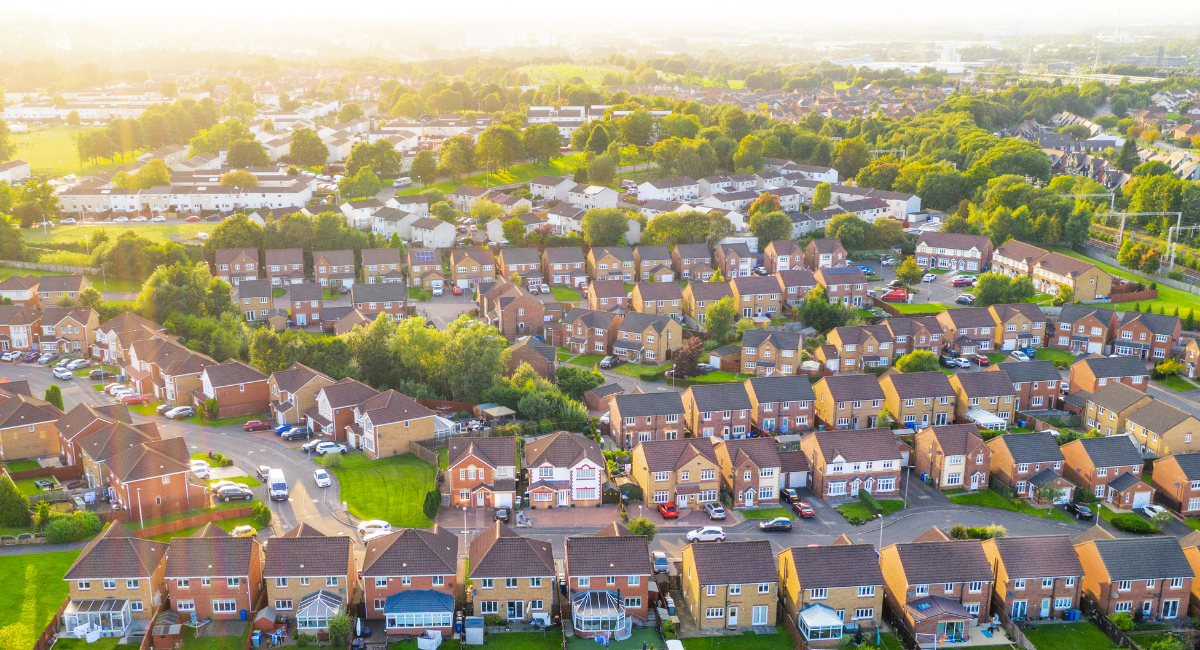
UK rents continued to rise in 2026, although the pace and cost of renting vary considerably from one part of the country to another. The latest figures available for August 2026 show that the North East and North West were recording the fastest annual rent increases among the English regions.
For renters, that means location remains one of the biggest influences on monthly costs. For landlords, it underlines the importance of pricing a property against current local evidence rather than relying on a national average.
What happened to UK rents in August 2026?
According to the Office for National Statistics (ONS), the average private rent in the UK was £1,400 a month in August 2026. That was 3.8% higher than a year earlier. The ONS measure covers private rents across the UK and is provisional for the latest two months.
There were significant differences between the nations. Average rents reached £1,459 in England, up 4.0% year on year; £846 in Wales, up 4.3%; and £1,013 in Scotland, up 1.1%. Northern Ireland recorded average rent growth of 1.6% in the year to June 2026, the latest period available for that part of the ONS series.
Which regions saw the biggest increases?
Within England, the North East and North West both recorded annual rent inflation of 5.8% in the 12 months to August 2026. They were the fastest-rising English regions in the latest ONS figures.
London remained the most expensive region, with average rent of £2,332 a month, but its annual increase was 3.5%. The South East had the lowest annual rent inflation among the English regions at 3.0%.
- North East: 5.8% annual increase; average rent £788.
- North West: 5.8% annual increase; average rent £969.
- London: 3.5% annual increase; average rent £2,332.
- South East: 3.0% annual increase.
The pattern is important: the fastest percentage growth is not necessarily found in the places with the highest rents. Lower-cost regions can experience strong increases when demand is high and the supply of available homes is limited.
New-tenancy data also points to continued pressure
Other rental measures tell a similar story, although they use different methods. HomeLet reported an average UK rent of £1,382 for a new tenancy in August 2026, up 4.1% from a year earlier. That is a measure of new lets, so it is not directly comparable with the ONS average across private rents, but it provides a useful view of the price faced by people moving home.
Zoopla has also reported that rental supply was tightening in summer 2026, with fewer homes available than a year earlier and stronger competition in some markets. This helps explain why more affordable areas can see rent growth accelerate quickly: tenants look for value, while landlords have fewer vacant properties to offer.
What does this mean for renters?
If you are moving home, compare several properties and allow for the full monthly cost, including council tax, energy and transport. A lower headline rent can be offset by longer commuting costs or higher energy bills. It is also worth checking how long a property has been advertised and whether the asking rent is in line with comparable homes nearby.
Renters should also keep clear records of agreements, payments and communications. For a wider overview of the 2026 private-rental changes, see our Renters’ Rights Act checklist.
What does this mean for landlords?
Landlords should use current local comparables when reviewing a rent or preparing a property for a new tenancy. A national figure can hide large differences between neighbouring areas, property types and bedroom sizes. Pricing too high can increase void periods, while pricing too low can leave a property underperforming.
Any rent review should follow the correct legal process and the terms of the tenancy. Landlords should also keep safety certificates, inspection records and rent histories up to date, particularly as compliance requirements continue to receive greater attention.
The bottom line
UK rents were still rising in August 2026, but the regional picture was uneven. The North East and North West recorded the sharpest annual increases in England at 5.8%, while London remained the most expensive market and the South East recorded the slowest regional growth.
For anyone renting or letting a property, the most useful figure is usually the current local market evidence—not a single UK-wide average. For homeowners considering their next move, our UK property valuation guide explains how local data and comparable homes can help with planning. You can also read our guide to energy efficiency and buyer expectations.
Data note: figures in this article refer to the latest August 2026 data available at the time of writing. ONS figures are provisional for the latest period and different rental indices use different samples and methodologies.
Sources: Office for National Statistics, Private rent and house prices, UK: September 2026; HomeLet Rental Index, August 2026; Zoopla rental market update.
Written by Nick Neale
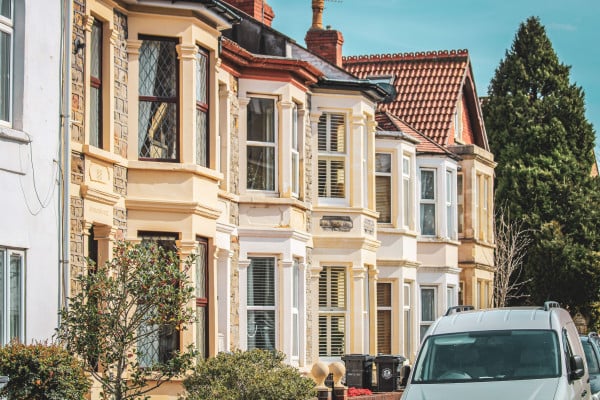
When Did Private Landlords Become an Extension of the State?
08.10.2026(11).png)
Sell or Let Your Property Online: Stay in Control with Emoov
23.09.2026Selling or letting a property no longer has to mean handing over thousands of pounds to a traditional estate agent.
Update: Emoov Is Staying on Rightmove
15.09.2026An update from Nick Neale, Director of Emoov, on our decision to stay on Rightmove and what it means for our customers.

Rightmove vs Zoopla vs OnTheMarket: Which Property Portal Is Best?
09.09.2026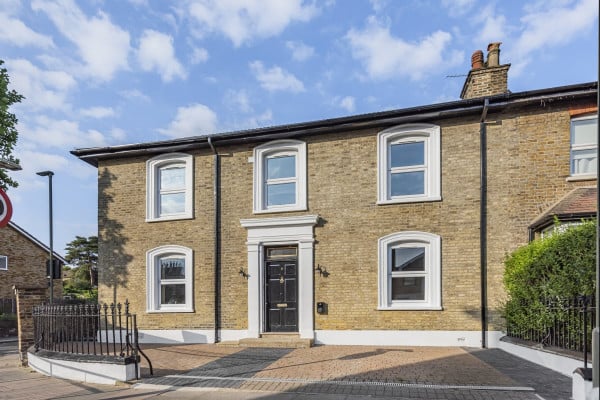
Why Some Homes Are Selling in 2026 - And Others Are Not
21.07.2026Discover why some homes are attracting viewings and offers in 2026 while others struggle.

Could You Be Fined for Pulling Out of a House Sale?
29.06.2026The Government has announced plans to reform the home buying process in England and Wales.










The legal stuff
Emoov is a trading name of Griffin Residential Limited. Griffin Residential Limited is a company registered in England and Wales. Company Reg No. 09362284.