Why Some Homes Are Selling in 2026 - And Others Are Not
The property market in 2026 has not stopped, but buyers are behaving more carefully. Some homes attract enquiries and offers soon after launch, while others remain available for months and go through repeated price reductions.
The difference is rarely down to one property portal or one feature of the home. Successful sales usually begin with the fundamentals: a sensible asking price, strong presentation, good communication and a willingness to respond to what the market is saying.
The initial asking price remains the biggest factor
The price at which a property first comes to market has a major influence on the level of interest it receives.
An asking price is not simply a statement of what a seller hopes to achieve. It determines which searches the property appears in, which other homes buyers compare it with and whether it feels like fair value.
Most sellers consider a mixture of:
- The asking prices of similar properties
- Recent sold prices
- Online estimates and agent valuations
- The amount they would like or need to achieve
- The cost of their onward move
All of this information can be useful, but it must be interpreted carefully. A nearby property may look similar online while differing significantly in condition, size, plot, lease terms or exact location. Sold-price information is also historical: the sale may have been agreed months before the completed price became publicly available.
The right question is not “What is the highest price anyone has suggested?” It is “At what price will today’s buyers see this property as a compelling option?”
Why “testing the market” can work against a seller
Starting high with the intention of reducing the price later may feel like a low-risk strategy. In practice, it can use up the period when a new listing is likely to attract the greatest attention from active buyers.
If the initial price is too ambitious, the property may:
- Sit outside the price filters used by suitable buyers
- Appear poor value beside competing homes
- Receive fewer enquiries and viewings
- Lose momentum while better-positioned properties sell
- Raise questions about why it has remained available
A later reduction can improve interest, but it does not always recreate the impact of launching at the right price. Buyers who previously dismissed the listing may not reconsider it immediately, while new competition may have entered the market.
This does not mean every seller should choose a low asking price. It means the launch price should be ambitious enough to protect value but realistic enough to generate genuine activity.
Portals create visibility; price and presentation create action
Property portals play an important role because they allow large numbers of buyers to discover available homes. Emoov markets properties on Rightmove, Zoopla, OnTheMarket and Emoov, giving sellers credible online exposure without depending on one particular website.
However, a portal cannot make an overpriced or poorly presented property attractive. It can place the listing in front of a buyer, but the listing still has to earn the click, the enquiry and the viewing.
Think of the process in four stages:
- The portal provides visibility. It helps the property appear where active buyers are searching.
- The price earns consideration. Buyers decide whether the home looks competitive within their budget and against nearby alternatives.
- The presentation earns the viewing. Photographs, the floorplan and description must make the property clear and appealing.
- The service supports the offer. Prompt communication, well-managed viewings, useful feedback and sensible negotiation help maintain momentum.
No single portal contains every available property, and appearing on a particular website does not guarantee a sale. What matters is combining credible reach with the pricing, presentation and personal service needed to convert visibility into results.
Buyers have more information and more choice
Buyers can compare listings, local prices, transport links, energy performance and neighbourhood information before arranging a viewing. Many also set strict price filters and alerts, making it easier to notice new properties and compare them quickly.
When buyers have several suitable homes to choose from, they are less likely to enquire about a property that appears even slightly overpriced or difficult to understand. Rather than making a lower offer, they may simply move on to another listing.
This makes the opening weeks of a marketing campaign especially valuable. New listings are likely to be noticed by buyers already searching in that area and price range. Sellers should be ready to respond promptly to enquiries, viewing requests and early feedback.
Presentation must make the property easy to understand
Good presentation is not about making every home look like a show house. It is about helping buyers understand the space, condition and potential of the property.
A strong listing should include:
- Bright, well-composed photographs
- A clear and accurate floorplan
- A concise description with specific information
- Correct room details and key property features
- A logical order that guides the buyer through the home
- A video or virtual tour where it adds useful context
Poor lighting, cluttered rooms, missing floorplans and vague descriptions create uncertainty. If buyers cannot work out how the space flows or whether it meets their needs, they are less likely to arrange a viewing.
The first photograph is particularly important because it competes for attention in search results. It should show the property’s strongest and most relevant feature—not simply the first image that was taken.
Buyers are more considered
Many buyers in 2026 are taking longer to decide, comparing more properties and examining value more closely. That does not necessarily mean they are unwilling to proceed. It means they may need more information and reassurance before committing.
Sellers may experience:
- More detailed questions before a viewing or offer
- Requests for second or third viewings
- Closer scrutiny of condition and running costs
- More negotiation over the asking price
- Longer gaps between a viewing and a decision
Clear answers and prompt communication matter. A buyer who is left waiting may continue viewing other properties and become more interested in an alternative.
Successful sellers react to evidence
Once a property is live, its performance should be reviewed rather than left to chance.
Useful signals include:
- The number and quality of enquiries
- Viewing levels
- Feedback from people who have viewed
- Offers received and the reasons behind them
- New competing properties
- Changes to nearby asking prices
Different patterns point to different problems. If buyers see the listing but do not enquire, the price or presentation may be discouraging them. If viewings take place but no offers follow, feedback may reveal concerns about condition, layout or value. If there is very little visibility, the price range, property information or marketing distribution may need checking.
Responding does not always mean immediately reducing the price. It may mean improving the photographs, clarifying the description, changing the lead image or making viewings easier to arrange. But when the evidence consistently points to price, delaying a realistic adjustment can allow the listing to become stale.
What homes that sell tend to have in common
The properties achieving successful sales are not necessarily the largest, newest or most expensive. They are often the homes for which the basics were handled correctly from the beginning.
That usually means:
- An asking price supported by current local evidence
- Professional, accurate presentation
- Visibility on credible property platforms
- Prompt handling of enquiries and viewings
- Realistic expectations about market conditions
- A willingness to listen to feedback and adjust when necessary
There is no individual feature that guarantees a sale. It is the combination of these elements that gives a property the best opportunity to attract the right buyer.
Price your move, not just your property
Sellers naturally want to achieve the best possible price, but it helps to consider the entire move.
If you are selling in order to buy, securing a committed buyer can strengthen your position when negotiating on your next property. Holding out for a slightly higher figure may not be worthwhile if it causes you to miss the home you want or leaves your plans on hold for several more months.
The best result is not always the highest theoretical asking price. It is the price and timescale that allow you to complete the move on acceptable terms.
Final thoughts
Homes are still selling in 2026, but buyers are selective. A property must be visible, competitively priced, clearly presented and actively managed throughout the campaign.
Property portals provide the shop window. They do not determine how buyers respond to what they see. Price and presentation generate viewings; communication, feedback and experienced support help turn interest into an offer.
Emoov combines advertising on Rightmove, Zoopla, OnTheMarket and Emoov with online tools and support from real people, helping sellers stay informed and involved from launch to completion.
Useful Links
- Sell Your Property with Emoov
- Get a Free Online Property Valuation
- How Much Is My House Worth?
- Property Portals Explained: Does Your Home Need to Be on Every Portal?
- Sell or Let Your Property Online: Stay in Control with Emoov
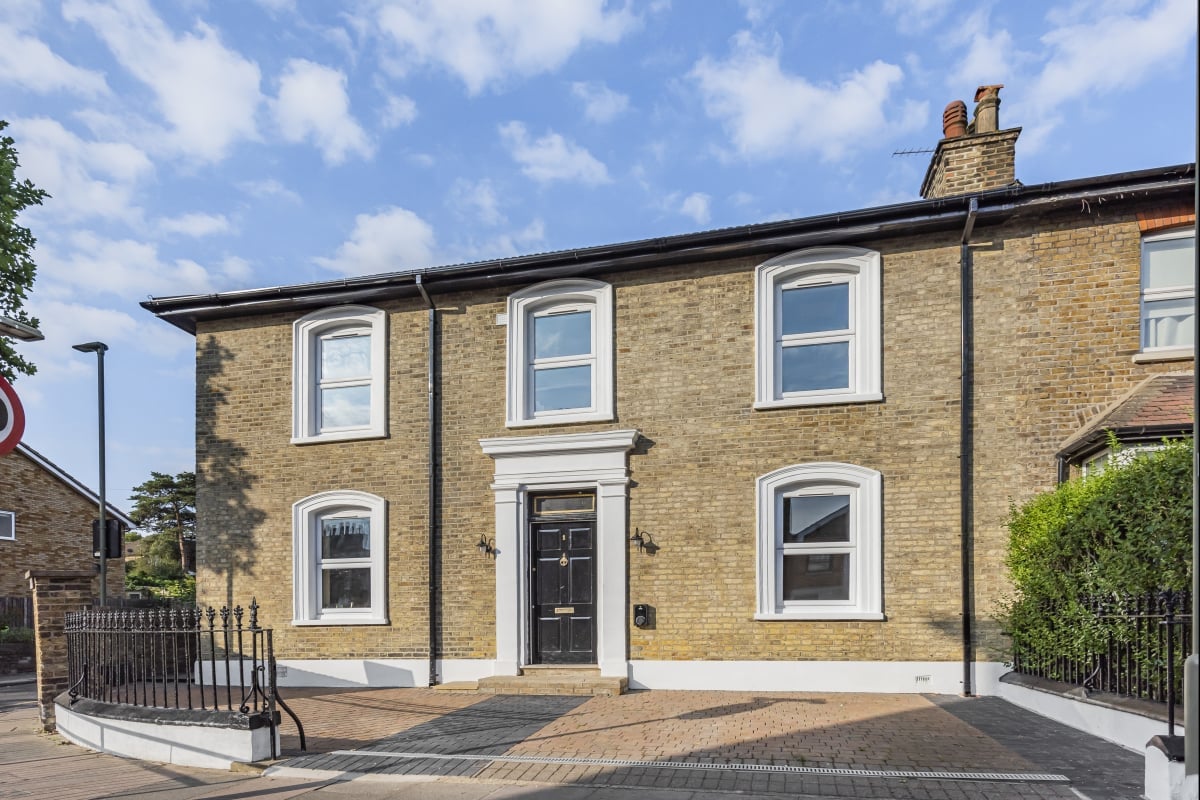
Image is from a property for sale July 2026. A rare opportunity to purchase this most attractive property in the heart of East Finchley’s Old Village. For more details see here.
.png)
UK House Prices Stall in Autumn 2026: What Does This Mean for Sellers?
12.10.2026UK house prices stalled in September 2026. Discover what the latest figures mean for sellers and how to price your home in today's property market.

When Did Private Landlords Become an Extension of the State?
08.10.2026
UK Rents in 2026: Where Are Prices Rising Fastest?
07.10.2026.png)
The 3 Ps That Sell a Home: Price, Presentation and Personal Service
27.09.2026Learn the 3 key factors to selling your home successfully. Expert property selling tips from Emoov’s Nick Neale.
(11).png)
Sell or Let Your Property Online: Stay in Control with Emoov
23.09.2026Selling or letting a property no longer has to mean handing over thousands of pounds to a traditional estate agent.

Update: Emoov Is Staying on Rightmove
15.09.2026An update from Nick Neale, Director of Emoov, on our decision to stay on Rightmove and what it means for our customers.










The legal stuff
Emoov is a trading name of Griffin Residential Limited. Griffin Residential Limited is a company registered in England and Wales. Company Reg No. 09362284.