How Energy Efficient Is Your Home - And Does It Matter to Buyers?
1.png)
With energy prices back in the headlines again, buyers are paying far more attention to the running costs of a home than they used to. There was definitely a time, not that long ago, when buyers asked what an EPC was for, but that is no longer the case. Legally, an EPC must be ordered before marketing a property for sale, and then the rating must be published alongside the property details and photographs.
See how much an EPC costs before listing your property.
For many years, buyers focused mainly on things like property location, size and presentation. Those things still matter, of course they do, but with household bills rising again, people are now asking practical questions such as:
- How expensive will this property be to heat?
- If there is a smart meter - can they take a look?
- How old is the boiler, and when was it last serviced?
- Will I need to spend money improving the energy efficiency?
For sellers, this does not mean you suddenly need to spend thousands of pounds upgrading your property before putting it on the market. In fact, many buyers understand that older homes will never perform the same way as new builds will, but buyers are looking for reassurance that the property has been well looked after and is reasonably efficient to run.
Why EPC Ratings Matter More Than They Used To
Most buyers now notice the EPC rating when browsing property listings online, it’s much harder to miss!
That does not necessarily mean they will refuse to view a property with a lower rating, but it does help shape the first impression of a home, especially when buyers are comparing similar homes in the same price bracket.
With mortgage affordability still stretched for many households, buyers are becoming more conscious of monthly outgoings generally, not just their mortgage payments. Higher energy bills can make a real difference to affordability.
Some lenders are also starting to place greater emphasis on energy efficiency, particularly when offering certain mortgage products or green incentives.
The Energy Improvements Buyers Actually Notice
A lot of homeowners assume energy efficiency means expensive renovations or major building work. Usually, buyers are far more interested in practical improvements that help keep running costs sensible.
Things buyers tend to notice include:
- Double glazing
- A modern or regularly serviced boiler
- Loft insulation
- Smart heating controls or thermostats
- Smart hot water cylinder
- LED lighting
- Modern radiators
- Evidence that the property has been maintained properly
Even relatively small upgrades can help a property feel warmer, more efficient and easier to maintain.
Small Changes Can Make a Big Difference
If you are thinking of selling your property this year, some simple improvements can help make your home feel more energy efficient without spending a fortune.
For example:
- Bleeding radiators before viewings
- Replacing old light bulbs with LEDs
- Sealing obvious draughts around doors or windows
- Topping up the loft insulation
- Servicing the boiler
- Making sure heating controls are easy to understand
These are not huge jobs, but buyers do notice when a home feels warm, well-maintained and economical to run.
Presentation Does Still Matter
Energy efficiency is not just about the EPC certificate itself. The way a property is presented can also influence how buyers perceive it. A cold, dark room with condensation on the windows will immediately raise concerns, even if the property is actually reasonably efficient.
Simple things like:
- opening curtains properly
- letting natural light in
- maintaining good ventilation
- dealing with mould or condensation
- keeping the home warm during viewings
can all help create a much better impression.
This is particularly important when photographing your property for online listings, as buyers will often make decisions about whether to view or not, within seconds of scrolling through the images.
You may also find our tips to sell your house faster guide useful.
Should You Improve Your EPC Before Selling?
This depends entirely on the property and the cost of the work involved. In some cases, small improvements may help increase buyer confidence and widen appeal. In others, expensive upgrades may not add enough value to justify the cost before selling. Older properties in particular are unlikely to achieve the same EPC ratings as newer homes, and most buyers understand that.
Homeowners considering bigger upgrades should also be aware that grants are still available through schemes such as the Boiler Upgrade Scheme, which supports the installation of lower-carbon heating systems like heat pumps. However, not every seller will recover the full cost of major works before moving, so it is worth weighing up the likely return against the timescale of your sale.
Just be realistic; Buyers will not necessarily expect perfection, but they do want to feel confident that the property has been sensibly maintained and will not immediately become expensive to run.
When you are ready to take the next step, sell your property with Emoov and start your move with our simple online selling process.
Final Thought
Energy efficiency alone is unlikely to sell a property, but buyers are definitely more aware of running costs than they were a few years ago.
Small improvements, sensible maintenance and good presentation can all help reassure buyers that a home will be comfortable and affordable to live in. And in a market where buyers are carefully comparing every monthly outgoing, that reassurance can make a real difference.
Useful Links
Update: Emoov Is Staying on Rightmove
15.09.2026An update from Nick Neale, Director of Emoov

Rightmove vs Zoopla vs OnTheMarket: Which Property Portal Is Best?
09.09.2026.png)
What Happens After You Accept an Offer? A Guide to Sales Progression
24.08.2026Accepting an offer on your property is an exciting moment, but it is not the end of the selling process. It marks the beginning of the legal and administrative work required to move the transaction towards exchange of contracts and completion.
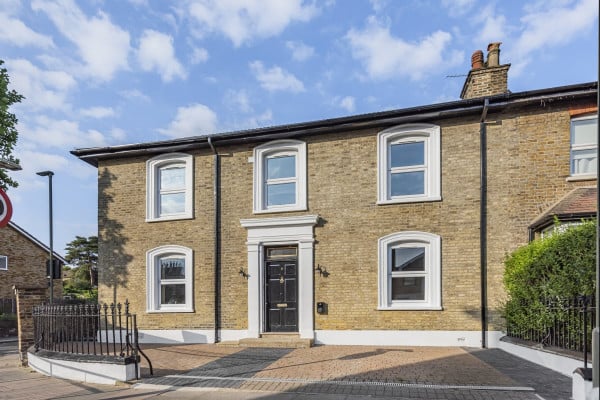
Why Some Homes Are Selling in 2026 - And Others Are Not
21.07.2026Discover why some homes are attracting viewings and offers in 2026 while others struggle—and how price, presentation and active marketing make the difference.

Could You Be Fined for Pulling Out of a House Sale?
29.06.2026The Government has announced plans to reform the home buying process in England and Wales. Here's what the proposed changes could mean for buyers and sellers.

What Happens After You Accept an Offer? A Step-by-Step Guide for UK Home Sellers
22.06.2026Accepted an offer on your home? Here's what happens next, from instructing your solicitor through to exchange, completion and moving day.










The legal stuff
Emoov is a trading name of Griffin Residential Limited. Griffin Residential Limited is a company registered in England and Wales. Company Reg No. 09362284.