What Happens After You Accept an Offer? A Step-by-Step Guide for UK Home Sellers

Accepting a sales offer on your home is a fantastic feeling. After all the viewings, negotiations, waiting around for the right buyer and keeping the house spotless, it can feel like the hard work is finally over.
BUT, in reality, this is where the sale really begins.
From solicitors, mortgages, and surveys to searches and questionnaires, there are several important stages to complete before you can hand over the keys on completion day. Knowing what to expect can help reduce stress, avoid delays and keep your sale moving in the right direction.
Here's a simple step-by-step guide to what happens after you've accepted an offer.
Step 1: Accept the Offer
Congratulations! You've accepted an offer on your home. It's such an exciting milestone, and quite a challenge if you have ‘done the deal’ privately without using an estate agent. However, this is really just the beginning, there's still plenty to do before the sale becomes legally binding.
If you're selling through an estate agent, at this stage they would usually circulate details of the agreed price, the parties, chain details and financial info to both solicitors. If you're selling privately, you'll need to take on this role yourself, making sure both sets of solicitors have everything they need to get started on the conveyancing stage.
The sale is now 'subject to contract', which means either side can withdraw from the transaction without paying a legal penalty to the other party.
Before moving ahead, it's worth understanding exactly who your buyer is. Don't be afraid to ask questions such as:
- Are they a first-time buyer, cash buyer [ask for proof] or selling a linked-property.
- If they need finance, do they have a mortgage agreed in principle? With whom?
- Have they already sold their own property? Privately, or through an Estate Agent?
- Are they part of a property chain? Check the entire chain from top to bottom with the relevant parties in order to understand how proceedable it is.
- Have they instructed a solicitor yet? If so, who is it?
The more you know about your buyer's position, the easier it is to judge how likely the sale is to progress smoothly. A first-time buyer with a mortgage agreed in principle and a solicitor already instructed is often in a much stronger position than someone who still has their own property to sell.
Step 2: Instruct Your Solicitor or Conveyancer
If you haven't already chosen a solicitor or licensed conveyancer, now is the time.
Your conveyancer will:
- Prepare the draft contract.
- Obtain the title documents.
- Complete the Property Information Forms.
- Answer legal enquiries raised by the buyer's solicitor.
- Handle the exchange of contracts and completion.
Choosing an experienced conveyancer and returning paperwork promptly can make a significant difference to how quickly your sale progresses. Whilst a recommendation from someone who has used that firm or person is ideal, you can check ratings online to see how they have performed previously. Cheaper can mean longer, so it is wise to do your own research.
Step 3: Complete the Property Information Forms
One of the first jobs you'll be asked to do is complete several forms about your property so you will have to set aside some time to go through these.
These may include:
- TA6 Property Information Form
- TA10 Fittings and Contents Form
- TA7 Leasehold Information Form (if applicable)
Take your time completing these forms, as they form the main body of the contract. Being honest and thorough, but don’t leave them for weeks in the hope that they will complete themselves!
Step 4: The Buyer's Mortgage and Survey
While your solicitor is preparing the legal paperwork, your buyer will usually be arranging their mortgage. In most cases, the mortgage lender will carry out a valuation to confirm the property is worth the agreed purchase price. The surveyor will compare your property with similar homes that have recently sold in the area to make sure the agreed purchase price is supported by the market.
Many buyers will also arrange their own independent survey, such as a Homebuyer Survey or Structural Survey (especially on older buildings).
Sometimes surveys uncover issues that nobody was aware of, and this can lead to the buyer asking for repairs to be carried out prior to sale completion, or they may try to renegotiate the agreed price.
While that can feel frustrating, remember that most survey findings can be resolved through sensible discussion, just be practical, make enquiries or gather costings and remember to keep records of everything if you are negotiating yourself.
Step 5: Searches and Legal Enquiries
The buyer's solicitor will order a series of searches with the local authority and other organisations.
These will typically include:
- Local authority searches
- Water and drainage searches
- Environmental searches
At the same time, they may raise enquiries about anything that isn't clear from the paperwork.
For example:
- Have any extensions received Building Regulations approval?
- Are there guarantees for replacement windows?
- Are there disputes with neighbours?
- Has any work been carried out without planning permission?
Responding quickly helps prevent unnecessary delays and you are legally obliged to be truthful.
Step 6: Keep the Sale Moving
This is often the longest part of the process.
It can sometimes feel as though nothing is happening, but solicitors, mortgage lenders and surveyors are usually working behind the scenes. You can, however, help keep things moving by:
- Returning documents promptly.
- Keeping in regular contact with your solicitor.
- Responding to enquiries quickly.
- Keeping your estate agent updated (where applicable).
- Letting everyone know if your circumstances change. It might be tempting to keep it quiet if a chain breaks down, but remember how you would feel if someone hid that information from you.
Good communication often prevents small issues becoming major delays.
What Can Delay a House Sale? Some of the most common causes of delays include:
- Slow mortgage approvals.
- Survey issues.
- Missing paperwork.
- Delays with local authority searches.
- Long property chains.
- Buyers or sellers taking time to respond to enquiries.
Many of these issues are outside your control, but responding quickly whenever you're asked for information can help keep things on track.
Five Tips for a Smoother Sale: These are a few simple things you can do to avoid unnecessary stress:
- Choose your solicitor before accepting an offer if possible.
- Gather certificates, guarantees and paperwork early.
- Be open about any known issues with the property.
- Keep communication flowing between everyone involved.
- Be realistic about timescales, particularly if you're part of a chain.
Preparation is often the difference between a smooth transaction and a stressful one.
Step 7: Agree a Completion Date
Once both solicitors are satisfied and everyone in the property chain is ready, you'll agree a completion date.
This should give everyone enough time to:
- Book their removal companies.
- Arrange time off work for the move.
- Organise utilities (often getting the broadband sorted can take weeks!).
- Notify schools if needed.
- Redirect your post.
If you're buying another property at the same time, your purchase and sale will usually complete on the same day.
Step 8: Exchange of Contracts
This is one of the biggest milestones in the whole process, and usually the time to celebrate.
When contracts are exchanged:
- The sale becomes legally binding.
- A completion date is fixed.
- The buyer normally pays their deposit.
- Neither party can simply change their mind without serious financial consequences.
Many sellers breathe a huge sigh of relief at this stage because the risk of the sale falling through reduces dramatically.
Step 9: Prepare for Moving Day
With the exchange complete, you can concentrate on the move itself.
Now is the time to:
- Finish (start) packing.
- Label boxes clearly and try to keep the packed boxes organised.
- Arrange final cleaning, oven cleaning, carpet cleaning.
- Keep important documents somewhere safe.
- Bribe your friends and family to give you a hand sorting the garage!
- Put together a box of essentials for moving day
- Take final meter readings and notify the utility companies.
A little organisation now can make moving day much less stressful.
Step 10: Completion Day
Completion day is when ownership officially changes hands and the buyer's solicitor transfers the purchase money to your solicitor, usually around lunchtime.
Once the funds have cleared:
- The estate agent releases the keys or you hand them over if you have done this privately.
- The buyer can move in.
- You can head off to your new home or celebrate the successful sale!
Congratulations - you've officially sold your property.
Our Final Thoughts
Accepting an offer is a huge milestone, but it's only one step in the home-selling journey.
Understanding what happens next can help you feel more confident, prepare for each stage and avoid many of the common delays that hold up property transactions.
While every sale is different, staying organised, responding promptly and working closely with your solicitor and estate agent will give you the best possible chance of reaching completion without unnecessary surprises.
Before you know it, you'll be handing over the keys and starting your next chapter. Good luck!
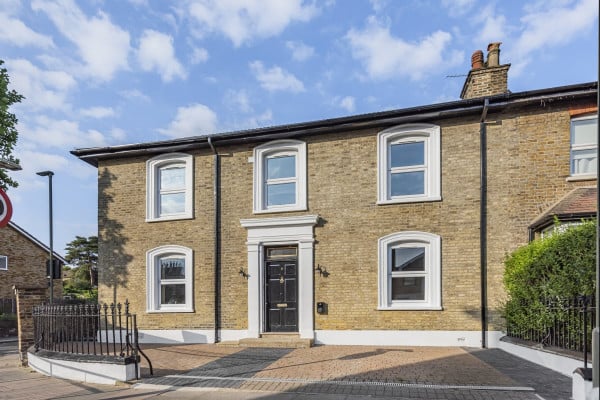
Image is from a property for sale June 2026. A stylish and spacious three-bedroom semi-detached home that blends modern design with everyday comfort. For more details see here.
.png)
The 3 Ps That Sell a Home: Price, Presentation and Personal Service
27.09.2026Learn the 3 key factors to selling your home successfully. Expert property selling tips from Emoov’s Nick Neale.
(11).png)
Sell or Let Your Property Online: Stay in Control with Emoov
23.09.2026Selling or letting a property no longer has to mean handing over thousands of pounds to a traditional estate agent.

Update: Emoov Is Staying on Rightmove
15.09.2026An update from Nick Neale, Director of Emoov, on our decision to stay on Rightmove and what it means for our customers.

Rightmove vs Zoopla vs OnTheMarket: Which Property Portal Is Best?
09.09.2026.png)
What Happens After You Accept an Offer? A Guide to Sales Progression
24.08.2026Accepting an offer on your property is an exciting moment, but it is not the end of the selling process. It marks the beginning of the legal and administrative work required to move the transaction towards exchange of contracts and completion.
Why Some Homes Are Selling in 2026 - And Others Are Not
21.07.2026Discover why some homes are attracting viewings and offers in 2026 while others struggle.










The legal stuff
Emoov is a trading name of Griffin Residential Limited. Griffin Residential Limited is a company registered in England and Wales. Company Reg No. 09362284.