What Next for House Prices in 2023?
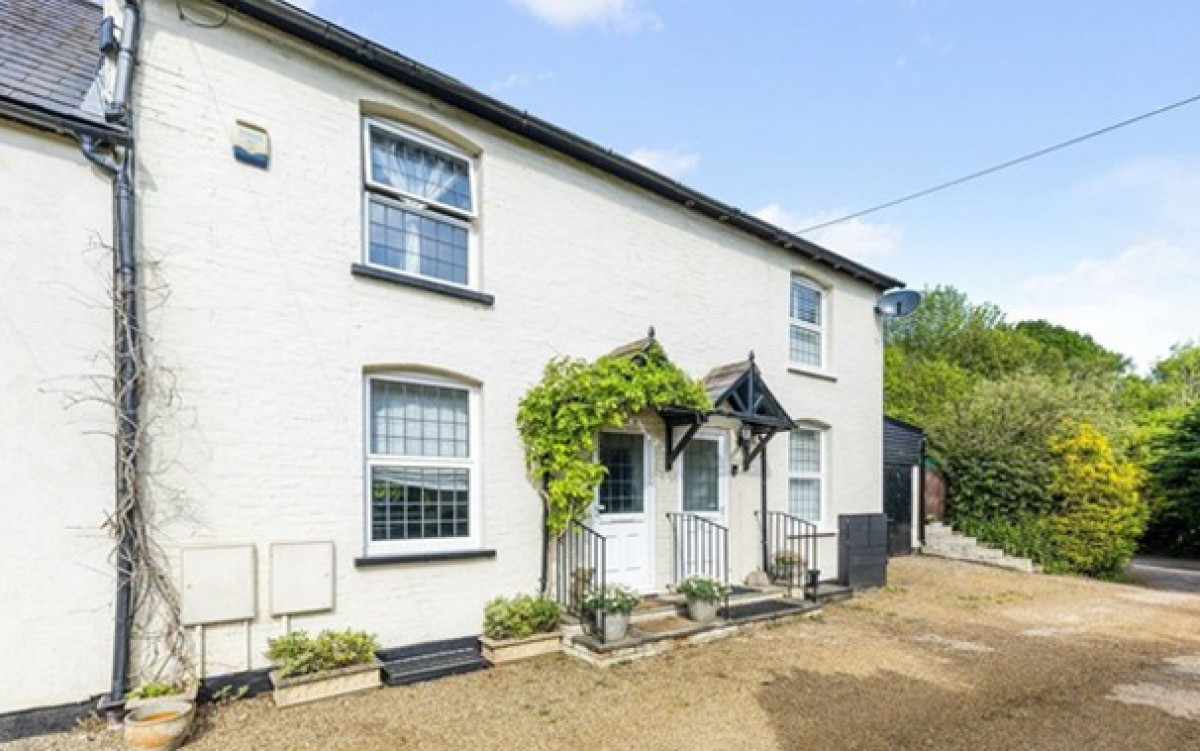
As the UK continues to grapple with high interest rates and the enduring cost-of-living crisis, asking prices for UK properties have fallen for four consecutive months. This may lead some to wonder whether the trend will continue into the latter part of 2023 and into 2024. Summer is traditionally a slow period for the housing market as many homeowners are away and putting off house moves until the autumn. However, the drop recorded in August is significantly sharper than usual, with house prices falling by over £7,000.
This steady decline in house prices is a result of steep mortgage rates, coupled with high energy and food bills. With sellers dropping their asking prices in desperation to sell, where should we expect the market to plateau?
Asking Prices Are Still Far Higher Than Pre-Pandemic Levels
Despite the current economic climate, house prices are still high compared to pre-pandemic levels. In the past decade since 2013, house prices have risen sharply, with the average house in the UK selling for around £167,716 in January 2013 compared to £290,000 in January 2023. This translates to a jump of 73%, although it is significantly higher in certain areas. A national housing shortage and increasing demand have contributed to rising prices, as well as low interest rates following the financial crash, making it far cheaper to borrow money.
The Covid-19 pandemic also made sellers re-evaluate their living spaces; with far more workers confined to their homes, they found themselves on the lookout for more spacious living quarters and larger gardens. The need to live in a city for work was no longer so pressing, leading some families to search for homes in more rural areas.
Sellers Are Forced to Adjust Expectations
Since December 2021, the Bank of England has raised interest rates 14 consecutive times. The high Bank of England base rate has led to staggeringly high mortgage payments, leading to buyers having to cut back on what they can stretch to in order to purchase a home. Sellers are finding themselves in a difficult position; they can either wait and remain optimistic, or slash their asking price in the hope of selling.
While inflation appears to be slowing, it still remains high at 6.8%. This is far higher than the Bank of England's target of 2%, leading to financial experts predicting further interest rate rises in the future. Therefore it remains unlikely that pressure on mortgage holders will end soon, although some lenders have made small cuts on limited deals in the past month. First-time buyers are also expected to bide their time to see how the economic landscape develops.
Will the Housing Market Crash?
While news of continuing inflation and high mortgage rates are unsettling, it's important to remember that the housing market is not a static entity. It will continue to fluctuate and asking prices will always change regardless of the economic backdrop.
It is also useful to look at how the housing market has behaved in the past. The housing market crash of 2008 occurred in a very different economic climate, with banks and financial institutions lending money far too readily with little regulation. This is not the case for the UK in 2023; with mortgage lenders under increased scrutiny and the government implementing measures to support mortgage holders and avoid repossession, lessons from the past have been learned.
It appears that while the market has slowed down, buyers as much as sellers are adjusting their expectations. Instead of stretching their budgets beyond what they can comfortably handle, buyers are purchasing smaller properties and only offering what they can afford.
Although it is difficult to predict the future, for the most part financial experts believe that a housing market crash remains unlikely. Data shows that the housing market has clearly cooled but it continues to remain surprisingly resilient. For buyers and sellers alike, it's crucial to consider personal circumstances before moving on; what makes sense for one homeowner doesn't necessarily make sense for another.
Image is from a two bedroomed, terraced property available for sale in Mayfields, Surrey. For the full listing, please click here.
.png)
UK House Prices Stall in Autumn 2026: What Does This Mean for Sellers?
12.10.2026UK house prices stalled in September 2026. Discover what the latest figures mean for sellers and how to price your home in today's property market.
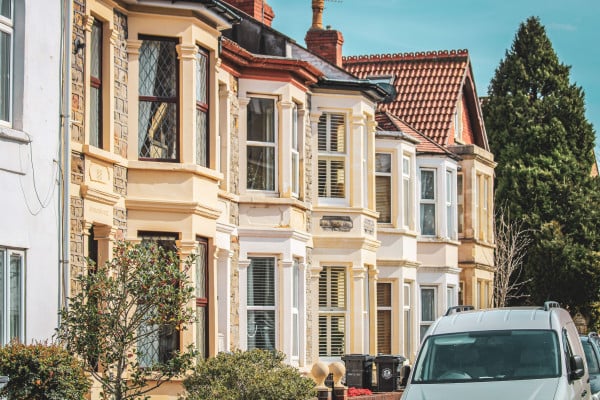
When Did Private Landlords Become an Extension of the State?
08.10.2026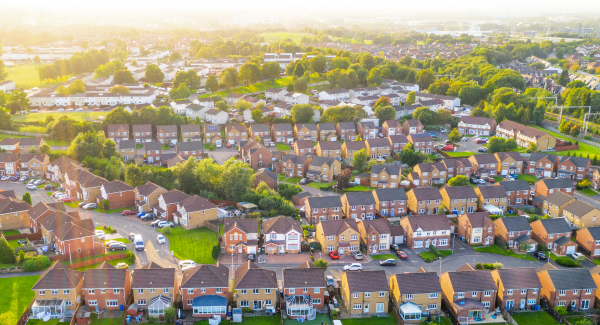
UK Rents in 2026: Where Are Prices Rising Fastest?
07.10.2026(11).png)
Sell or Let Your Property Online: Stay in Control with Emoov
23.09.2026Selling or letting a property no longer has to mean handing over thousands of pounds to a traditional estate agent.
Update: Emoov Is Staying on Rightmove
15.09.2026An update from Nick Neale, Director of Emoov, on our decision to stay on Rightmove and what it means for our customers.

Rightmove vs Zoopla vs OnTheMarket: Which Property Portal Is Best?
09.09.2026









The legal stuff
Emoov is a trading name of Griffin Residential Limited. Griffin Residential Limited is a company registered in England and Wales. Company Reg No. 09362284.