What is the Government’s Levelling-up and Regeneration Bill?
With the proposed Levelling-up and Regeneration Bill, the UK government is seeking to bring sweeping reforms to national planning policy. The aim of the Bill is to address the national housing shortage by giving communities more authority over the planning process, as well as shore up the necessary infrastructure to support new developments. As part of a national initiative to reduce environmental and social disparities between parts of the UK, the Bill aims to empower local officials to regenerate their areas, restoring community pride and giving local people ownership over their environments.
The Levelling-up Strategy
The Levelling-up and Regeneration Bill forms part of the government's Levelling-up Strategy, which comprises 12 national missions, ideally to be achieved by 2030. The glaring disparities between various parts of the UKresult in poorer living conditions, shorter life expectancy and more limited economic prospects for those in more disadvantaged areas. The strategy attempts to address these issues and narrow the gap.
These measures endeavour to restore pride of place in local towns and cities, increase employment and job productivity across every part of the UK and improve public transport. In education, the government hopes to see a notable increase in the numbers of primary school children attaining expected levels in reading, writing and maths. Furthermore, the strategy aims to raise levels of mental wellbeing across the country and increase life expectancy.
The Impact on the Housing Sector
The housing sector is facing numerous challenges, especially with the shortage of affordable properties for buyers and tenants alike as well as a lack of suitable infrastructure. The new Bill introduces an Infrastructure Levy, which will be charged on the value of a sold property once it has hit a particular threshold. The levy will be set by local authorities and be based on the value of the property rather than its size.
The aim of this levy is to ensure that developers pay their fair share towards supporting local infrastructure such as roads, GP surgeries and schools, especially as the levy will be deductible once the properties are sold rather than at the outset of a project.
In a wider context, the Bill gives local authorities more control over what is built and where it is built, enabling them to prioritise key areas in the community. This autonomy feeds into the Levelling-up aim to foster local pride, design beautiful structures and safeguard heritage, while protecting the environment.
The Potential Drawbacks to the Bill
While ministers see the Bill as a potential solution to the challenges faced by the housing sector, leading to an increase in more inexpensive, quality housing supported by more robust infrastructure, some organisations remain unconvinced. The removal of current legislations which requires developers to build a certain number of affordable properties on each site has led some to fear that this will result in less social and low-cost housing.
The concern is that when developers no longer have to comply with the regulations to build social housing, the numbers will drop, further exacerbating the housing shortage. Furthermore, some organisations fear that councils would redirect the levies to other areas. However, at this early stage it is too difficult to predict future outcomes.
What Next for the Bill?
The Bill has already been through 15 days of committee stage consultation. The committee stage in the House of Lords allows for line by line check and proposed amendments to the Bill. Most recently, the committee stage has brought forward a number of topics, including but not limited to:
- The establishment of a new bill encompassing devolution and economic growth
- The requirement for new homes to be built with solar panels
- How to support sustainable development and protect the environment
Going forward, the Bill will at some stage go through the Report Stage, although the government has not yet set a date for this. This process is an opportunity for the house to evaluate all the amendments that have been proposed during the committee stage.
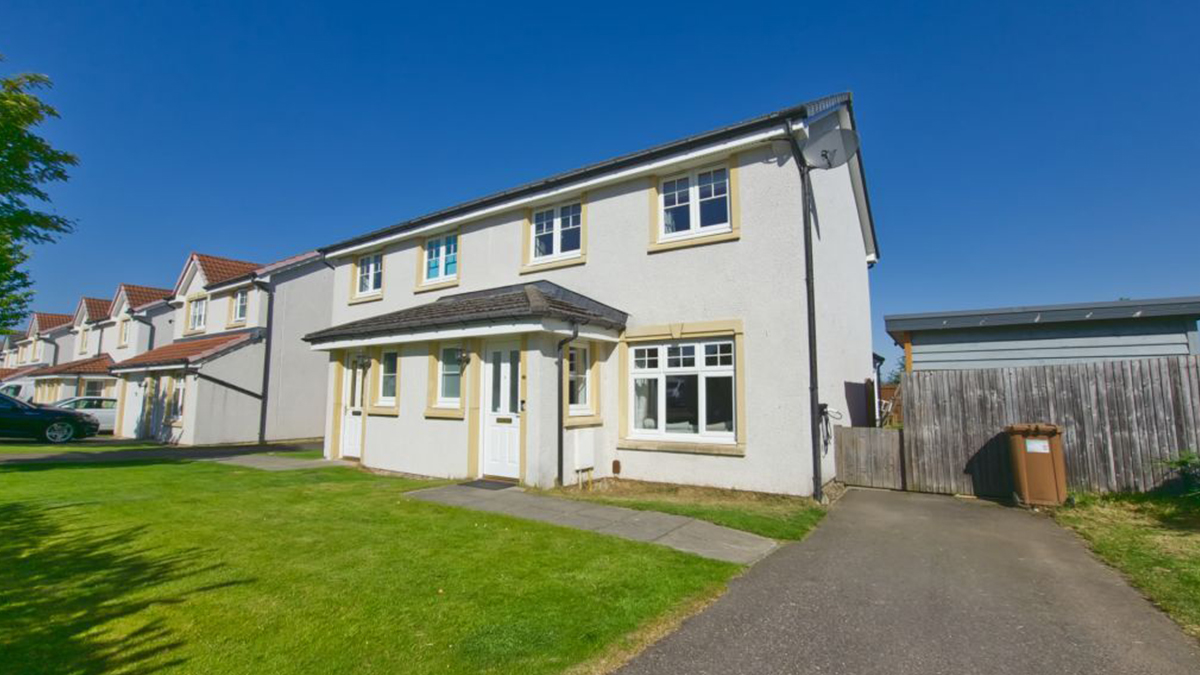
Image is from a sold, semi-detached property in Westhill, Inverness. For the full listing, please click here.
.png)
UK House Prices Stall in Autumn 2026: What Does This Mean for Sellers?
12.10.2026UK house prices stalled in September 2026. Discover what the latest figures mean for sellers and how to price your home in today's property market.
When Did Private Landlords Become an Extension of the State?
08.10.2026
UK Rents in 2026: Where Are Prices Rising Fastest?
07.10.2026(11).png)
Sell or Let Your Property Online: Stay in Control with Emoov
23.09.2026Selling or letting a property no longer has to mean handing over thousands of pounds to a traditional estate agent.
Update: Emoov Is Staying on Rightmove
15.09.2026An update from Nick Neale, Director of Emoov, on our decision to stay on Rightmove and what it means for our customers.

Rightmove vs Zoopla vs OnTheMarket: Which Property Portal Is Best?
09.09.2026









The legal stuff
Emoov is a trading name of Griffin Residential Limited. Griffin Residential Limited is a company registered in England and Wales. Company Reg No. 09362284.