The Ultimate Guide to Renewable Energy in the Home
With climate change and rising energy costs increasingly affecting property owners and tenants, installing renewable energy systems at residential properties is becoming an appealing option to help mitigate these issues.
Having a good understanding of the available renewable energy options can help you make informed decisions about upgrading your property to be more sustainable and cost-effective for both you and future occupants. Renewable energy systems are becoming a smart investment for landlords and sellers, who take the time to properly understand their options. This guide will provide the ultimate resource to get you started.
Benefits of Renewable Energy
Installing renewable energy systems in your rental properties or homes for sale can offer a number of benefits:
Reduced energy bills
Renewable energy sources like solar panels and heat pumps can drastically cut electricity and gas costs by generating clean energy onsite. This saves money for both you and tenants or buyers.
Increased property value
Homes with installed renewables are becoming increasingly desirable. Adding them can boost a property's value and give it an edge over competitors when selling, especially when paired with smart technology.
Low maintenance
With minimal moving parts and lengthy guarantees in place, renewable energy systems are low maintenance and cost-effective. In fact, just an annual servicing to keep them running efficiently is usually all that's needed. A well-maintained system can last for at least 20 years.
Easier to achieve net zero emissions
With renewable systems, your tenants and buyers will find it simpler to reduce the carbon footprint of the property, which is a growing priority for many.
Government incentives
In the UK, schemes like the Smart Export Guarantee provide payments for excess energy exported back to the grid from solar panels. This offers additional cost savings and return on investment.
Taking advantage of these benefits positions you well amongst environmentally conscious renters and buyers, while also showcasing a commitment to sustainability. The long-term energy cost reductions also mean easier budgeting and improved rental yields or sale prices.
Types of Renewable Energy Systems
There are a few main renewable technologies suitable for households in the UK:
- Solar PV - Solar photovoltaic panels convert sunlight into electricity. They can be roof-mounted or ground-mounted if space allows. Maintenance is minimal and involves nothing more than keeping the panels clean and a yearly servicing.
- Solar thermal - Solar thermal panels use the sun to directly heat water. Roof-mounted collectors feed into insulated tanks. Low maintenance except for checking the system and topping up glycol fluid.
- Heat pumps - These extract latent heat from the air, ground or water and concentrate it to provide heating and hot water. Require electricity to run the pump, but are much more efficient than traditional boilers. Need minimal maintenance.
- Wind turbines - Where there's sufficient wind, small-scale turbines can generate electricity from wind. Involve permits, professional installation and regular inspections.
- Biomass boilers - Burn wood pellets or logs to provide heating and hot water. More labour-intensive than other options as fuel must be freshly loaded.
- Hydroelectric - Utilising flowing water from streams or rivers to generate electricity. This is site-dependent and usually requires licensing but provides consistent power.
Each renewable option has its own advantages, costs and prerequisites. Consultation with a qualified installer is recommended to determine the best technologies for your particular property situation.
Key Considerations
When looking into installing renewable energy systems in your rental properties or homes for sale, there are a number of important factors to take into account. The upfront installation costs can be quite high depending on the system, ranging from a few thousand pounds for solar PV panels to a more sizable financial outlay for a ground source heat pump. However, most renewables provide a return on your investment over time through energy bill savings. It's important to analyse the potential payback period to determine if the system will be cost-effective.
You'll also need to research which permits and regulations apply for the system you want to install. Many renewables like wind turbines or hydroelectric power require planning permission or permits from local councils or environmental agencies. Be aware of any restrictions in your area that could prevent installing certain systems. The positioning and placement of renewables on your property is crucial as well, to ensure they maximise solar gain, wind exposure, or accessibility to flowing water. Having an analysis done of your site should guide optimal siting.
You'll also need to consider the aesthetic impact of renewables like solar panels and potentially get planning permission if they will be publicly visible. You will also need to provide guidance to any tenants or buyers on properly using and maintaining the systems to get the best performance. Considering all these key factors carefully will allow you to make the most informed decision about renewable energy improvements to your property.
Common Myths and Misconceptions
There are several prevalent myths and misconceptions regarding renewable energy systems. Being aware of these can help you make better informed choices:
- Solar panels don't work when it's cloudy or dark: Partly false, solar PV still generates electricity in cloudy weather,albeit at a reduced output. Energy can also be stored in batteries for use when the sun isn't shining.
- Renewables are too expensive: While there are significant upfront costs, prices for solar panels, wind turbines and heat pumps have dropped substantially in recent years. There are also incentives and tax credits available to help offset installation costs.
- Wind turbines are noisy and disruptive: Older turbine models were noisier but design improvements have significantly reduced sound outputs from modern commercial turbines. Small domestic turbines have minimal noise.
- You need lots of sun for solar to be worthwhile: Even UK daylight levels are sufficient to make solar PV systems productive, especially with solar battery storage to capture excess daytime energy.
- Renewables will disrupt my tenants: Well-planned installations avoid major disruptions. Tenants also tend to appreciate money saving from reduced energy bills, which offsets any mild inconvenience.
Compiling the facts helps avoid being misled by common exaggerations or outdated notions regarding residential renewable energy. Most properties can benefit from solar, heat pumps or other renewables with proper planning and installation.
Installing renewable energy systems can be a smart investment for landlords and home sellers looking to reduce costs, increase property value, and appeal to environmentally conscious tenants and buyers. While upfront installation expenses can be high, the long-term savings and incentives make renewables financially viable in most cases with proper planning and advice.
Want to estimate running costs at home? GoCompare’s energy cost calculator lets you compare appliances and see what they cost to run.
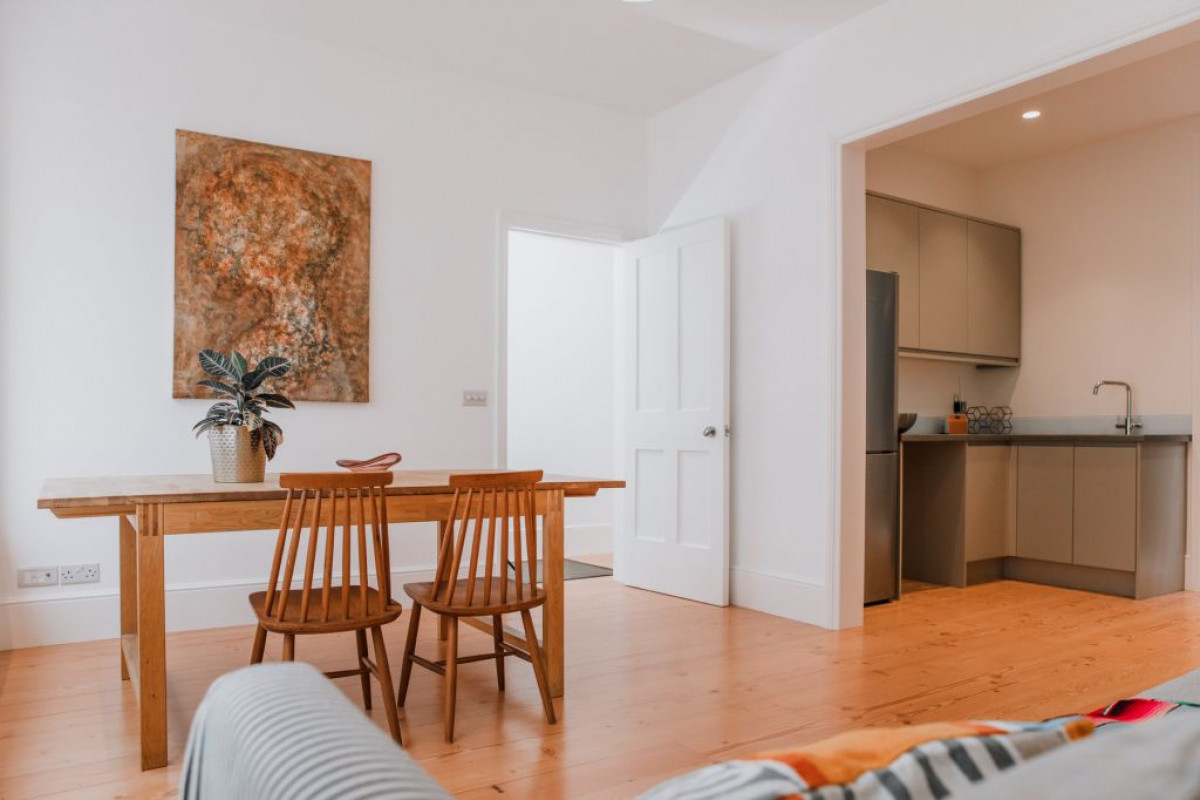
Image is from a Victorian House for Sale in St Leonards-on-sea available Oct 2023. For the full listing, please click here.

When Did Private Landlords Become an Extension of the State?
08.10.2026.png)
The 3 Ps That Sell a Home: Price, Presentation and Personal Service
27.09.2026Learn the 3 key factors to selling your home successfully. Expert property selling tips from Emoov’s Nick Neale.
(11).png)
Sell or Let Your Property Online: Stay in Control with Emoov
23.09.2026Selling or letting a property no longer has to mean handing over thousands of pounds to a traditional estate agent.
Update: Emoov Is Staying on Rightmove
15.09.2026An update from Nick Neale, Director of Emoov, on our decision to stay on Rightmove and what it means for our customers.

Rightmove vs Zoopla vs OnTheMarket: Which Property Portal Is Best?
09.09.2026.png)
What Happens After You Accept an Offer? A Guide to Sales Progression
24.08.2026Accepting an offer on your property is an exciting moment, but it is not the end of the selling process. It marks the beginning of the legal and administrative work required to move the transaction towards exchange of contracts and completion.










The legal stuff
Emoov is a trading name of Griffin Residential Limited. Griffin Residential Limited is a company registered in England and Wales. Company Reg No. 09362284.