Why More Homeowners Are Paying Inheritance Tax in 2026
Inheritance tax (IHT) is usually seen as something, which only affects wealthy people, but recently, there has been quite a shift in that perception.
Recent figures show that inheritance tax receipts have reached a record £8.5 billion for the tax year 2025 - 2026, which is the fifth year of increase. Because the tax-free allowances haven’t increased, and more of your assets now count towards your estate, more homeowners are having to pay inheritance tax.
If a lot of your wealth is tied up in property, IHT is definitely something that you need to understand, even if you are not immediately considering a home move or property sale.
Why Inheritance Tax Is Still Rising
The amount of inheritance tax paid to the government keeps rising, but isn’t driven solely by sudden house price growth. In fact, in some areas, particularly parts of London and the South East, property prices have slowed down.
Instead, the rise is being driven by longer-term factors:
- The £325,000 nil-rate band has been frozen for years
- The residence nil-rate band hasn’t kept pace with property values
- Pension savings are now being brought further into the mix
- More estates are being assessed as the population ages
Even modest growth in assets over time can now push estates above the IHT threshold, particularly where property forms the bulk of the value. In simple terms: more estates are becoming taxable without families necessarily feeling “wealthy”.
Why Property Owners Are Most Exposed
For many UK households, property is their biggest asset, often making-up the bulk of their wealth, alongside savings, pensions or other long-term investments.
That means homeowners who have:
- Owned their property for many years
- Benefited from long-term house price growth
- Not reviewed their estate planning recently
may now find themselves closer to inheritance tax thresholds than they thought they would be.
Even where prices have levelled off, decades of accumulated value can still push estates over the inheritance tax threshold.
HMRC Is Taking a Closer Look at Property Values
Alongside rising tax receipts, there’s also been a noticeable shift in enforcement.
Recent data shows a 23.5% increase in property valuation referrals to the Valuation Office Agency, as HMRC places greater scrutiny on figures submitted during probate.
This means:
- Property valuations are more likely to be challenged
- Incorrect valuations can lead to additional tax, interest and penalties
- Executors may be held financially responsible for any errors
For families handling estates themselves, this adds another layer of risk at an already difficult time, which makes accurate property valuations more important than ever.
Why This Matters for Sellers
Inheritance tax might not be at the forefront of your mind when selling your home, but it can play a significant role in wider financial planning.
Selling can:
- Change the structure of your estate (from property to cash)
- Prompt decisions around gifting or wealth redistribution
- Highlight how much property value has built up over time
For some homeowners, downsizing forms part of a longer-term plan to manage their estate more efficiently. For others, it’s simply a chance to reassess their position.
Planning Ahead Matters More Than Ever
One of the biggest challenges with inheritance tax is getting the timing right.
Many families delay these conversations or assume it won’t apply to them until they realise their property and savings have added up to more than expected.
Combined with increased HMRC scrutiny, this means:
- Accurate records and valuations are essential
- Early planning can make a meaningful difference
- Leaving everything until later can limit available options
The Key Takeaway
Inheritance tax is no longer just an issue for the very wealthy.
With thresholds frozen and enforcement increasing, more homeowners, particularly those with property wealth, are being drawn into the system. You don’t need to become a tax expert, but it helps to understand how your property fits into your overall wealth, because when it comes to inheritance tax, it’s not just about how much your assets are worth, it’s about how prepared you are.
Related Reading
If you’re looking for a full breakdown of inheritance tax thresholds, exemptions and how probate works, you can read our earlier guide here.
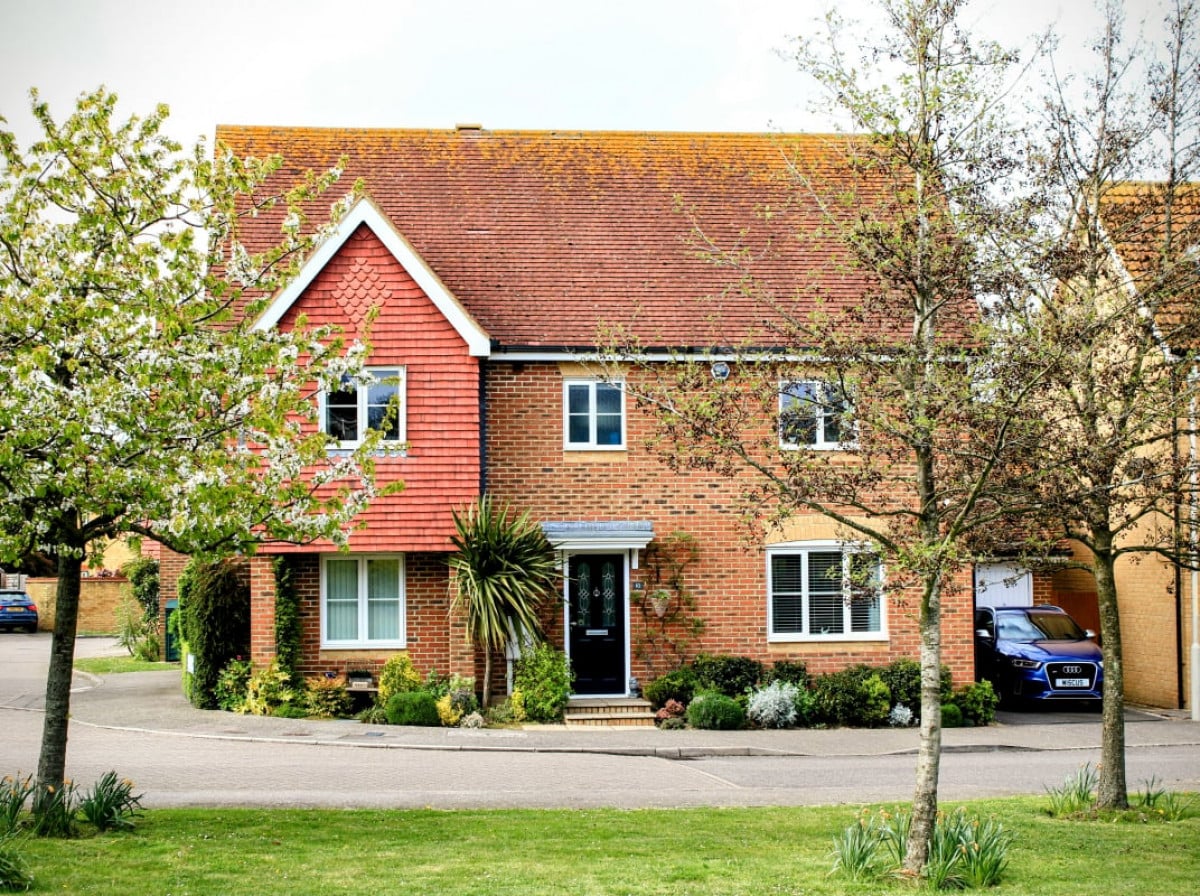
Image is from a property for sale April 2026. A beautifully presented detached family home, ideally positioned on an executive development overlooking an attractive, landscaped Green. For more details see here.
.png)
UK House Prices Stall in Autumn 2026: What Does This Mean for Sellers?
12.10.2026UK house prices stalled in September 2026. Discover what the latest figures mean for sellers and how to price your home in today's property market.

When Did Private Landlords Become an Extension of the State?
08.10.2026
UK Rents in 2026: Where Are Prices Rising Fastest?
07.10.2026(11).png)
Sell or Let Your Property Online: Stay in Control with Emoov
23.09.2026Selling or letting a property no longer has to mean handing over thousands of pounds to a traditional estate agent.

Update: Emoov Is Staying on Rightmove
15.09.2026An update from Nick Neale, Director of Emoov, on our decision to stay on Rightmove and what it means for our customers.

Rightmove vs Zoopla vs OnTheMarket: Which Property Portal Is Best?
09.09.2026









The legal stuff
Emoov is a trading name of Griffin Residential Limited. Griffin Residential Limited is a company registered in England and Wales. Company Reg No. 09362284.